- nobleeyecare28@gmail.com
- No, 2/496 , east coast road , AGS colony, natesan colony, kottivakam, chennai -41
- Call: +91 7550030041
Retina Clinic
Retina Surgeons in Kottivakkam, ECR
As a retina specialist, one of the first things I tell my patients is this: the retina is the most delicate, light-sensitive structure of your eye, and any delay in diagnosing a retina problem can directly impact your vision forever. My goal at our Retina Clinic in Kottivakkam is to help you understand exactly what is happening inside your eye, why certain symptoms should never be ignored, and how timely examination, laser treatment, or retina surgery can protect your sight. When you walk into my clinic, I don’t just check your retina—I guide you step by step through what to expect, how the diagnosis works, and what the safest treatment plan looks like for your condition.
Most people do not realize that conditions like diabetic retinopathy, retinal tears, macular degeneration, or sudden floaters can silently grow without causing pain. That’s why I believe in educating patients about when to seek help, what tests truly matter, and how modern retina procedures are far more comfortable than they imagine. My approach combines advanced imaging, evidence-based surgical techniques, and clear, simple communication—because you deserve to know exactly what’s happening with your vision. This page is my detailed guide for you: what a retina clinic does, when you need retina care, how laser and surgeries work, and what outcomes you can expect.
What Exactly Is the Retina and Why Does It Matter?
Every patient should understand what the retina does before we even talk about treatments. The retina is like the camera sensor of your eye—it captures light and sends the image to your brain. When this layer becomes damaged, blurred vision, dark spots, floaters, or total vision loss can follow. In my retina clinic in Kottivakkam, I use high-resolution OCT scans, fundus imaging, and visual function tests to assess the health of every layer of your retina. Understanding this structure empowers you to recognise symptoms sooner and seek care at the right moment.
Most retinal problems do not hurt, which is why they are so dangerous. People often continue their daily life unaware that a silent condition is progressing. I focus heavily on early detection because retina damage is usually irreversible—but preventable. With the right guidance, tests, and follow-up plan, your sight can be protected long term. That is the foundation of our retina care approach.
Key Points
- Light-sensitive layer
- Controls sharp vision
- Protects long-term sight
- Detects early damage
- Prevents late complications
- Maintains healthy visual function
When Should You Visit a Retina Clinic?
Most patients wait far too long before seeing a retina specialist simply because they assume the problem is minor. As a retina surgeon in Kottivakkam, I always encourage patients to come in if they notice sudden floaters, flashes of light, blurred central vision, difficulty reading, dark patches, or distortion. These are early signs of retinal tears, diabetic retinopathy, macular edema, or even retinal detachment—conditions that respond best to immediate care.
Additionally, if you are diabetic, hypertensive, or have a family history of retina issues, you should never skip an annual retina examination. Even with perfect vision, underlying changes can be brewing silently. At my clinic, I explain your retina images in detail so you know exactly how your eye is doing and what steps to take next.

Indicators You Shouldn’t Ignore
- Sudden floaters
- Flashes of light
- Distorted lines
- Blurred central vision
- Dark curtain-like shadow
- Sudden loss or drop in vision
What Happens During a Retina Examination?
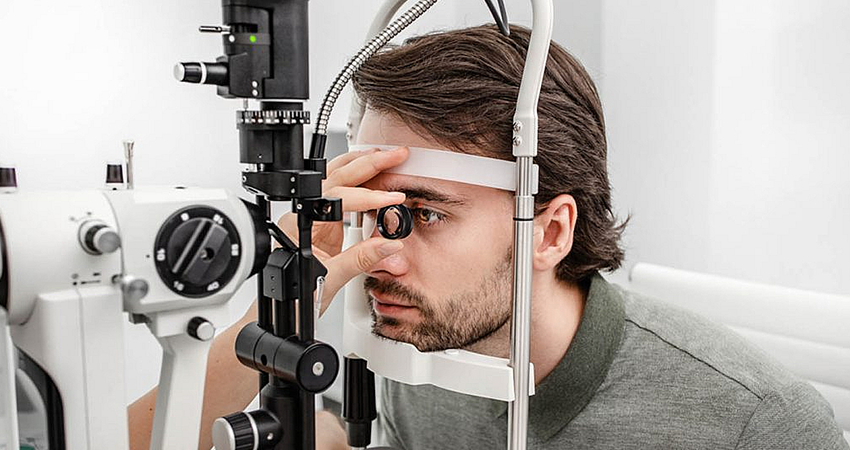
A retina examination is completely painless but extremely detailed. When you visit my retina clinic in Kottivakkam, we begin with a thorough visual assessment and pupil dilation to access the back of your eye. Then, I use OCT scans, fundus photography, and retinal thickness measurements to identify even the earliest signs of disease. I want you to see what I see, so I always show you the images on screen and explain what is normal and what needs attention.
This examination is essential because many retina diseases appear normal to the naked eye. Only with advanced imaging can we detect fluid accumulation, bleeding, small tears, or macular changes before they cause major damage. Understanding your retina health helps you make better decisions about treatment and follow-up schedules.
What We Check
- Retina layers
- Macular health
- Blood vessel stability
- Retinal thickness
- Early disease signs
- Fluid or swelling detection
Retina Laser Treatments In Kottivakkam, ECR
What You Need to Know
Many patients fear the word “laser,” but retina laser procedures are among the safest and quickest treatments available today. Laser therapy is used to seal retinal tears, reduce diabetic swelling, stop abnormal blood vessels, or stabilise weak areas. As a retina surgeon in Kottivakkam, I ensure each session is precise, comfortable, and tailored to your condition. You remain awake, feel no sharp pain, and the procedure typically takes under 10–15 minutes.
Laser treatment helps prevent major complications like retinal detachment or vision-threatening bleeds. I always explain your retina scans before and after so you understand how the laser is helping to stabilise and protect your eye. It’s an important step in long-term vision preservation.
Laser Benefits
- Protects vision long-term
- Minimally invasive
- Quick and safe
- No stitches
- Stabilises retina
- Prevents progression
Retina Surgeries — When Are They Needed?
Not every patient requires surgery, but when they do, it’s important to understand why. Surgeries such as vitrectomy, membrane peeling, or retinal reattachment are recommended when retinal damage cannot be corrected with laser alone. At my retina clinic in Kottivakkam, I guide each patient through the process—what to expect before surgery, how the procedure works, and the recovery timeline. The goal is always to restore stability and maximise visual potential.
Retina surgeries today are far more advanced than before. Using micro-incision techniques, high-resolution visualisation systems, and precise instrumentation, we can repair delicate structures with minimal trauma. I ensure every patient feels informed, supported, and prepared, both before and after their surgery.
Surgery Helps When
- Macular problems need correction
- Laser isn't enough
- Retina detaches
- Severe bleeding
- Scar tissue forms
- Vision is threatened
Diabetic Retinopathy—A Silent Threat You Must Not Neglect
If you are diabetic, your retina is constantly at risk. High blood sugar gradually weakens blood vessels, causing leakage, swelling, and vision loss. Many patients feel normal until the disease is in an advanced stage. At my retina clinic in Kottivakkam, we follow a strict monitoring protocol for diabetics because timely treatment can prevent blindness. Regular scans, laser treatment, injections, and lifestyle guidance form the backbone of diabetic eye care.
Even if your vision seems fine, internal retinal changes could already be happening. My duty as your doctor is to ensure you understand the seriousness of diabetic retinopathy and how early treatment can protect your sight. Prevention is always easier than late-stage treatment.
Diabetic Retinopathy Risks
- Progressive swelling affecting central vision
- Silent progression
- Fluid accumulation
- Weak blood vessels
- Sudden bleeding
- Vision loss if ignored
Macular Disorders—When Central Vision Is Affected
The macula controls reading, clarity, and central vision. Conditions like macular edema or age-related macular degeneration can cause straight lines to appear wavy, words to look blurred, or central spots to darken. At my retina clinic in Kottivakkam, I use OCT scans to analyse macular thickness and detect swelling or degeneration early. This helps us plan the right treatment—whether it is laser, injections, or surgery.
Macular diseases can be scary for patients, but understanding them makes the journey much easier. I make sure you clearly see the difference between a healthy macula and a diseased one so you know exactly why treatment is needed. Early action often preserves excellent vision.
Macular Warning Signs
- Wavy vision
- Distorted letters
- Blurred centre
- Dark central spots
- Reading difficulty
- Difficulty recognising faces
Follow-Up Care—Why It Matters More Than You Think
Retina care doesn’t end with treatment; follow-up is essential. After laser or surgery, I schedule personalised follow-up visits based on your healing, symptoms, and imaging results. Many retina diseases can reoccur if not monitored closely. Consistent check-ups help us detect early changes before they become serious again. My approach is to empower you with knowledge so you recognise warning signs early and return promptly.
I also guide patients about lifestyle changes, diabetes management, protective habits, and medication schedules. Long-term success is not just about the treatment—it’s about how you maintain your retina health afterwards. I am with you at every step of the recovery journey.
Follow-Up Essentials
- Timely follow-up reminders
- Regular scans
- Healing checks
- Medication review
- Vision tracking
- Prevention planning
Conclusion
Retina health is one of the most important aspects of your vision, and timely care can make the difference between clear sight and permanent damage. As a retina surgeon in Kottivakkam, my commitment is to provide you with accurate diagnosis, advanced treatment options, and personalised guidance every step of the way. Understanding your eye is the first step in protecting it, and I’m here to ensure that you feel confident, supported, and informed throughout your retina care journey.
Whether you need a routine retina examination, laser therapy, or advanced surgery, you will receive transparent communication, evidence-based recommendations, and compassionate care. Your vision is precious—and together, we can protect it.
If you’re noticing floaters, flashes, or blurred vision, don’t wait. Book your retina examination
today and protect your vision with expert care.”enim minim veniam nostrud.
Frequently Asked Question
-
1. What is the cost of retina laser treatment?
The cost depends on the retinal condition and the type of laser required. It is usually more affordable than major retina surgeries. A precise estimate is given after a detailed retina examination.
-
2. What is the cost of laser eye surgery in Chennai?
Costs vary based on the procedure type and technology used. Different conditions require different approaches, so pricing differs. You’ll receive a clear, personalised estimate after evaluation.
-
3. Can a hole in the retina be repaired with laser?
Yes, small retinal holes or early tears can be sealed with laser treatment. The laser prevents further damage and reduces risk of detachment. Larger or advanced holes may need surgery instead.
-
4. Is laser eye therapy 100% successful?
Laser treatment is highly effective but not 100% guaranteed. Success depends on early diagnosis and the specific retinal issue. When done at the right stage, it greatly improves outcomes.
-
5. Is retina operation risky?
Modern retina surgeries are much safer with advanced techniques. Risks are minimal compared to the danger of delaying treatment. Your surgeon will guide you through benefits and possible complications.

